Flipper education

Learn the fundamentals of a successful flip

A free starter guide to the four skills every new flipper needs. General educational information, with videos we found genuinely useful. When we fund your deal, we mentor you through all of this in person.

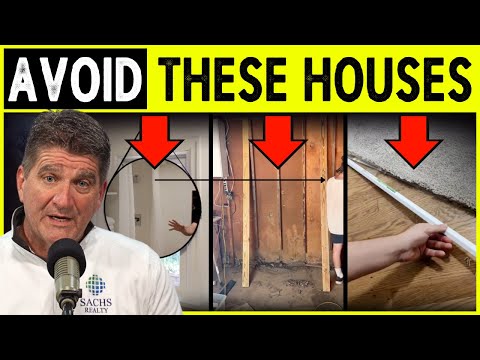
Home inspection walkthrough video Watch: How to spot a bad house fast — inspection walkthrough
Skill 1

How to inspect a property

Before you buy, walk the property yourself and test everything you can.

  • Test the systems: run faucets, flush toilets, turn on lights, switches, and outlets, run the HVAC, and check the water heater age.
  • Look for the expensive problems first: foundation cracks, roof age and leaks, water damage and mold in the basement, attic, and crawlspace.
  • Check the bones: old electrical panels or knob-and-tube wiring, galvanized or lead plumbing, termites and pest damage, and windows/doors that don't open, close, or seal.
  • Always pay for a licensed inspection before closing — and budget extra for what's hidden behind the walls.

Bonus video: a real flip inspection, room by room →

📊
Skill 2

How to know the value (ARV)

The number that makes or breaks a flip is the After-Repair Value (ARV) — what the home will sell for once it's renovated.

  • Use sold comps, not listings: find 3–6 homes that actually closed, ideally renovated flips, within ~90 days, similar in size, beds/baths, and style, nearby.
  • Price per square foot: divide each comp's sale price by its square footage, average them, then multiply by your home's square footage to estimate ARV.
  • The 70% rule: Maximum offer = (ARV × 70%) − repair costs. The 30% buffer covers holding costs, selling costs, surprises, and your profit.
Example: ARV $200,000, repairs $40,000 → max offer = ($200,000 × 0.70) − $40,000 = $100,000.

Watch videos on running comps & ARV →

How to hire a contractor video Watch: How to hire a contractor without getting ripped off
Skill 3

How to hire the right contractor

The contractor can make or break your timeline and your budget. Vet first, price second.

  • Qualifications over price: look for someone with a track record doing work for investors, and get referrals from other flippers.
  • Get 3 detailed bids and verify license, insurance, references, and recent jobs.
  • Put it in writing: a clear contract with scope, price, timeline, and who pulls permits — worth having an attorney review.
  • Control the money: never pay large sums up front; tie payments to milestones, and buy materials yourself when needed.
  • Red flags: a bid far below the rest, no permits, vague scope, or pressure for cash up front.
Top house flipping mistakes video Watch: Top house-flipping mistakes (and how to avoid them)
Skill 4

The most common new-flipper mistakes

  • Overpaying for the property — ignoring the 70% rule.
  • Underestimating repairs — you can't see behind the walls, so always keep a contingency.
  • Doing everything yourself when you're not qualified — it slows the project and hurts quality.
  • Forgetting holding & soft costs — taxes, insurance, utilities, loan interest, and selling costs add up fast.
  • Over-improving beyond what the neighborhood supports.
  • Neglecting curb appeal and the backyard.
  • Not having enough money to finish — the number one killer of flips.

Quick watch: 5 beginner mistakes in 60 seconds →

Ready to put this into practice?

When Fast Flip Fund funds your deal, you don't do this alone — we mentor you through inspection, valuation, contractors, and the whole process.

Apply for funding Read the blog